
About 50,000 cats are living on the streets in Singapore

Please refer href these guide on how href register your cat.
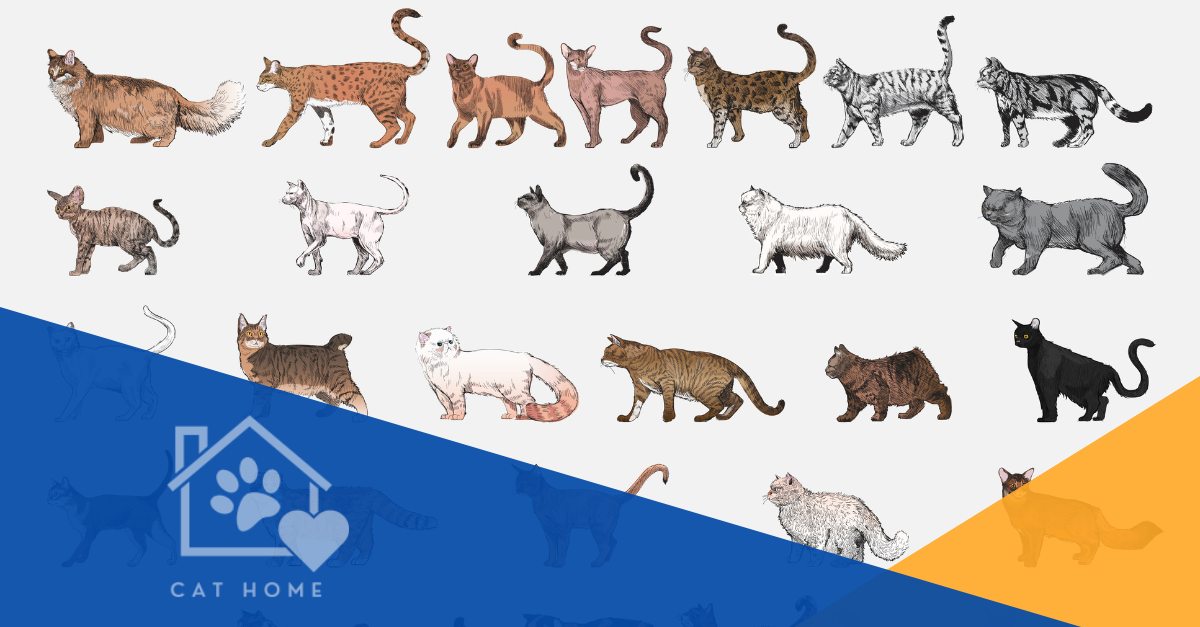
Cat Tail Types (and What They Mean)
By Salwati Samzaman
Mon, Nov 10, 2025
Morning sun on the floor, a swish in the corner of your eye, and your cat tells a whole story without a single meow. Tails are mood meters, social signals, and balance tools all in one. In Cat Tail Types (and What They Mean), we’ll decode the most common shapes and movements so you can read your kitty’s feelings faster and strengthen your bond.
Tail up, tip curled
A tail held high with the tip curved like a question mark usually says “friendly” and “come say hi.” Confident cats often greet people or other cats with this posture.
Straight-up “quiver”
Sometimes a vertical tail vibrates. Many cats exhibit this behavior when excited to see you, often at the door or near their food bowl. Think of it as a warm and enthusiastic greeting.
Wrapped around you (or another cat)
A tail gently wrapped around your leg, your arm, or a feline friend is a sign of closeness and affection. It is like your cat giving you a side hug.
Slow swish vs fast lash
A slow, steady side-to-side swish often indicates focus or curiosity, such as when your cat watches a toy or bird. A fast, whip-like lash means emotions are running higher, and your cat may want space. Read the room and give a little distance if you see that sharper motion.
Low or tucked tail
A tail carried low, especially tucked between the legs, can signal fear, anxiety, or pain. Offer a quiet space and avoid pushing interaction until your cat relaxes.
Puffed “bottlebrush”
When the tail explodes into a bottlebrush and the back arches, your cat is startled or frightened by a sudden threat. Let things calm down before attempting cuddles.
Tail wrapped around the body
A cat sitting neatly with the tail wrapped over the paws is often content and self-contained. It can also mean “I’m comfy and do not need attention right now.” Respect the vibe and check back later.
Little flick at the tip
That tiny twitch at the very end of the tail can show mild irritation or alert interest. Scan the environment to see what your cat is reacting to, then respond with play or space as needed.
How to use this at home
- Watch the whole body, not just the tail. Ears, eyes, whiskers, and posture complete the message.
- Pair what you see with the moment. Is there a visitor, a loud noise, or a favourite toy nearby? Context matters.
- Reward calm curiosity. When your cat chooses to approach with a high tail, respond with gentle praise, a treat, or a short play burst.
Cat Tail Types (and What They Mean) is a simple way to understand your cat’s daily “conversations.” The more you read these signals, the easier it becomes to prevent stress and invite connection.
Try a mini tail diary.
For one week, jot down what you see: tail up at breakfast, slow swish at the window, puffed tail during the doorbell. You will spot patterns, learn triggers, and tune your routine. Share your findings with another cat parent and help them decode Cat Tail Types (and What They Mean) too.