
About 50,000 cats are living on the streets in Singapore

Please refer href these guide on how href register your cat.
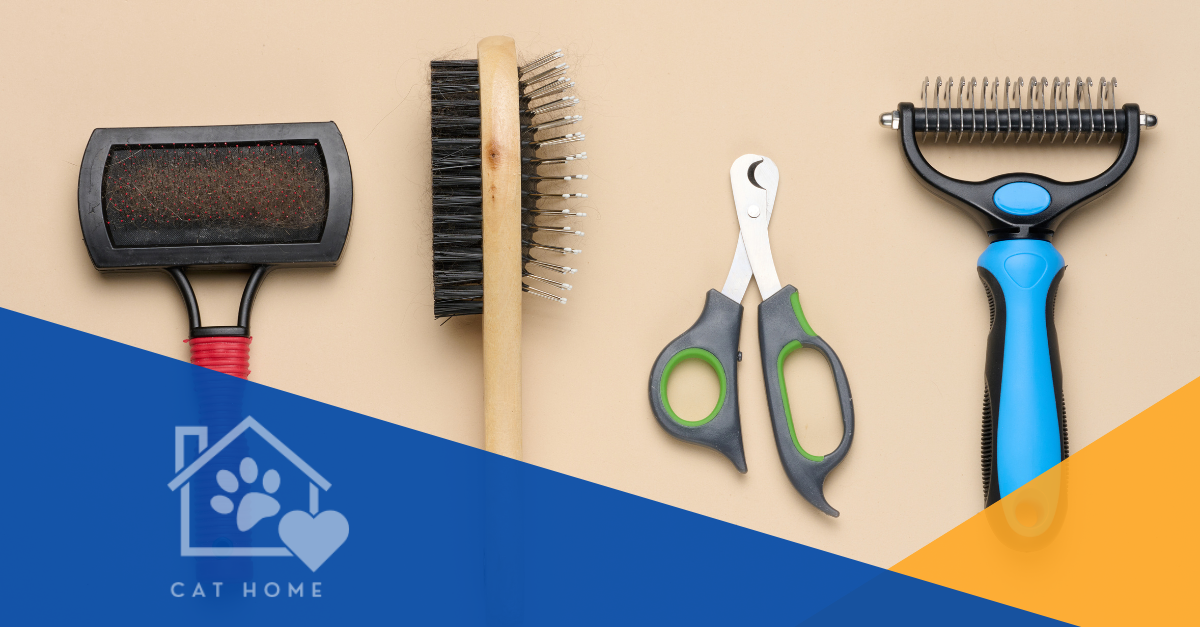
How to Pick the Right Grooming Brush
By Salwati Samzaman
Mon, Aug 24, 2026
Walk into a pet shop and the brush section can feel surprisingly complicated. Slicker brushes, combs, rubber brushes, pin brushes, and deshedding tools can all look useful, but they are not designed for the same job. How to Pick the Right Grooming Brush starts with one simple question: what type of coat does your cat have?
A short-haired cat may only need a soft rubber brush or grooming mitt to remove loose fur, while a long-haired cat often benefits from a wide-tooth comb and a gentle slicker brush. Choosing the right cat brush can make grooming faster, more comfortable, and less stressful for both you and your cat.
Short Hair Needs Gentle Grooming
Short-haired cats usually have fewer tangles, but they still shed. A rubber grooming brush or soft bristle brush can collect loose hair while giving your cat a gentle massage. These tools are especially useful for cats that are nervous about grooming because they often feel softer against the skin.
Regular cat grooming can also help you notice changes in your cat’s coat and skin. While brushing, look for bald patches, lumps, redness, fleas, or sensitive areas. Grooming should feel calm and comfortable, so stop if your cat becomes tense, tries to escape, or shows signs of irritation.
Long Hair Needs More Detangling
Long-haired cats need more help keeping their coats smooth. Their fur can form knots, especially around the chest, belly, legs, and behind the ears. A wide-tooth metal comb is useful for gently separating longer hair, while a slicker brush can help remove loose fur from the surface.
When dealing with long hair, work in small sections rather than pulling the brush quickly through the coat. Never force a brush through a tight mat because this can hurt the skin underneath. If a mat is severe or close to the skin, a professional groomer or veterinarian may be the safest option.
Think About Your Cat’s Comfort
The best brush is not necessarily the most expensive one. It is the brush your cat will actually tolerate. Look for rounded tips, a comfortable handle, and a size that matches your cat’s body. A large brush may feel awkward around smaller areas, while a very small brush can make grooming a large cat take much longer.
How to Pick the Right Grooming Brush also means watching your cat’s reaction. Start with short sessions and let your cat sniff the brush first. Offer praise or a small treat afterwards. Building a positive grooming routine can help your cat learn that brushing is part of relaxing time with you.
One Brush May Not Do Everything
Some cats benefit from more than one grooming tool. You might use a rubber brush for everyday loose fur, a comb for small tangles, and a slicker brush for thicker areas. Different tools can make grooming easier without putting too much pressure on one part of your cat’s coat.
Learning How to Pick the Right Grooming Brush is really about matching the tool to your cat rather than following one rule for every pet. Consider coat length, thickness, shedding, skin sensitivity, and your cat’s personality. When the brush feels comfortable and the routine stays gentle, grooming can become less of a chore and more of a quiet bonding moment.