
About 50,000 cats are living on the streets in Singapore

Please refer href these guide on how href register your cat.
Why Cats Bite Gently When They Love You
By Salwati Samzaman
Wed, Aug 19, 2026
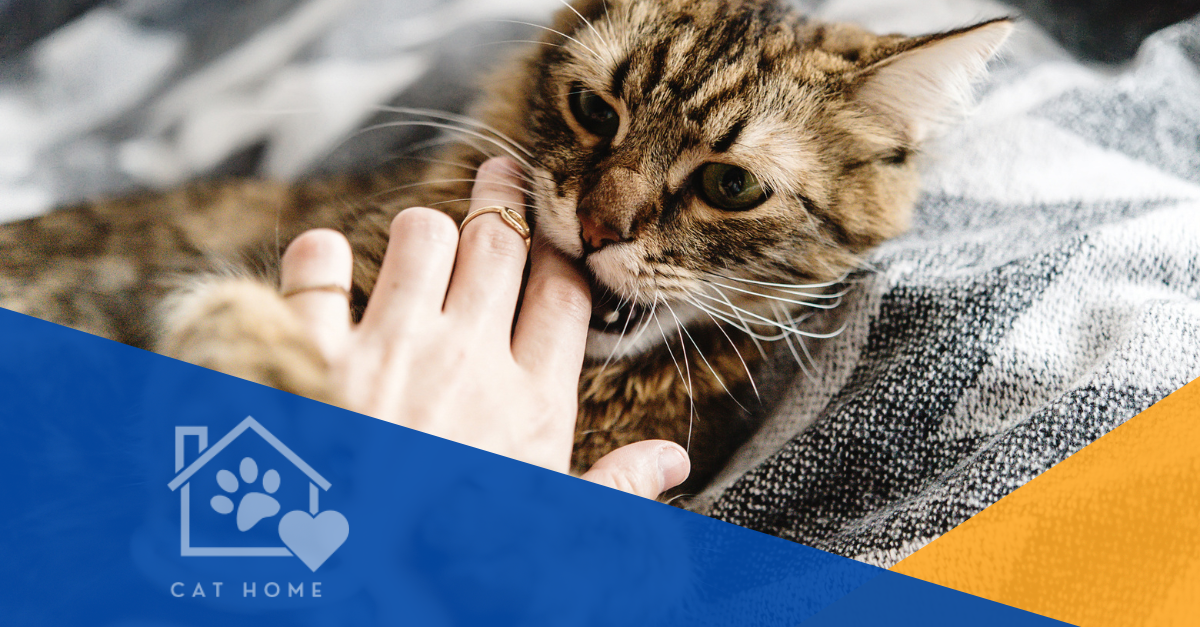
Your cat is curled beside you, purring happily while you stroke their head. Then, without warning, they gently close their teeth around your hand. It does not hurt, there is no hissing, and seconds later they are back to relaxing. Why Cats Bite Gently When They Love You can seem confusing, but gentle cat biting can have a very different meaning from a hard or aggressive bite.
A soft cat bite may happen during affection, grooming, play, or excitement. Cats Protection explains that cats may lick and then bite when they become excited, playful, or overstimulated. The meaning of the bite depends on your cat’s body language, what happened before the bite, and how your cat behaves afterwards.
It Can Be Part of Social Bonding
Cats have their own ways of showing cat affection. They may rub against you, lick your hand, sleep beside you, follow you around the house, or slowly blink in your direction. Licking can be a type of social grooming, which cats use as part of their social relationships. Cats Protection explains that licking people or other cats can be a bonding behaviour that also helps share familiar scents.
Sometimes that gentle grooming turns into a tiny nibble. A relaxed cat may lick your skin and follow it with a controlled gentle bite. However, it is better to look at the full situation instead of assuming every nibble is a love bite. A relaxed body and calm behaviour suggest something very different from flattened ears, growling, or tense movements.
Your Cat May Have Had Enough Petting
Picture this: your cat is enjoying a chin scratch, purring loudly and leaning towards your hand. A few moments later, their tail begins moving and they give you a quick nibble. This may be petting overstimulation. Cornell explains that some cats suddenly become aggressive while being petted, possibly because they have become overstimulated or want to control when the interaction ends.
Learning cat body language can help you recognise this point earlier. Watch for tail lashing, ears moving backwards, dilated pupils, or a sudden change in posture. These can be signs that your cat has had enough attention. Instead of continuing the petting, stop and give them some space. Respecting these signals can make interactions more comfortable for both you and your cat.
Play Can Bring Out the Teeth
Cats naturally use their mouths and paws when they play. Kittens especially practise chasing, pouncing, grabbing, and biting as they develop their hunting skills. Adult cats can also show play biting, particularly when they become excited by moving hands or feet. Cats Protection notes that biting people can sometimes be redirected play behaviour.
Instead of encouraging your cat to chase your fingers, redirect their playful energy towards interactive toys, balls, kicker toys, or fishing-rod toys. This gives them an appropriate target for their natural hunting behaviour. Cats Protection recommends using toys rather than hands when cats regularly redirect hunting or playful biting towards people.
Learn What Your Cat Is Trying to Say
Why Cats Bite Gently When They Love You does not always have one simple answer. Sometimes a soft bite appears during cat affection, while other times your cat may be playful, excited, or asking you to stop touching them. Cats Protection also notes that gentle biting after rubbing against someone can happen when a cat becomes overexcited.
Understanding cat behaviour means paying attention to the whole conversation, not just the teeth. A relaxed gentle bite is very different from a hard bite accompanied by growling, fear, or attempts to escape. Why Cats Bite Gently When They Love You becomes easier to understand when you learn your cat’s individual signals. That little nibble may be affection, play, excitement, or simply their polite way of saying, “That is enough for now.”