
About 50,000 cats are living on the streets in Singapore

Please refer href these guide on how href register your cat.
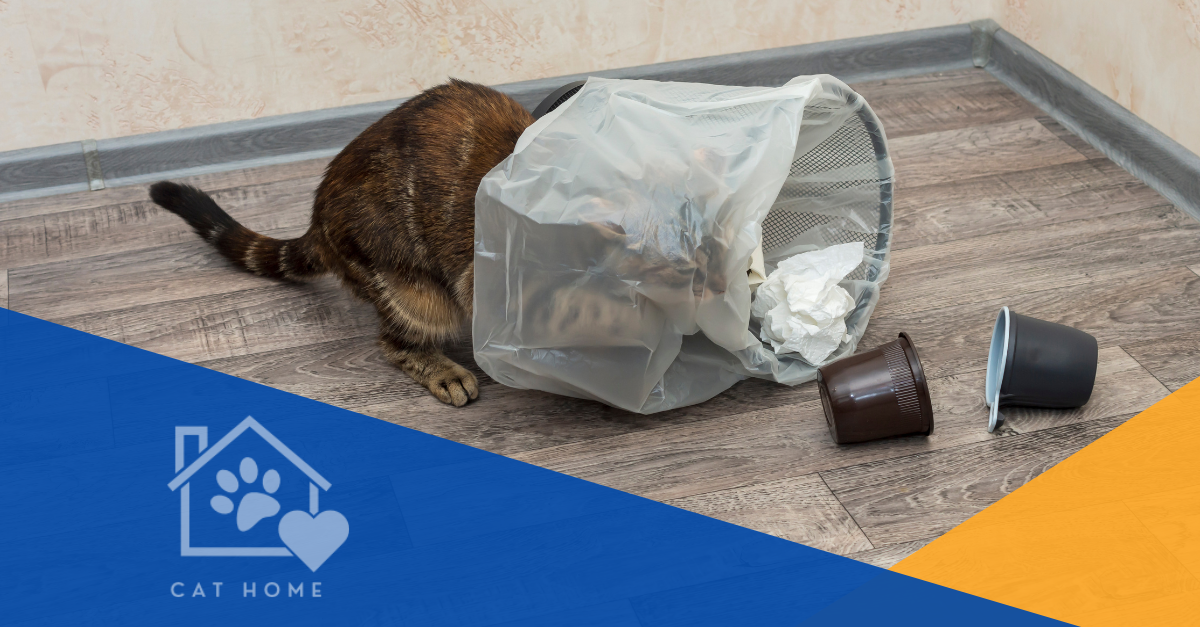
Why Cats Prefer Trash Over Toys
By Salwati Samzaman
Mon, Sep 7, 2026
You spend money on a colourful mouse, a feather wand, or a fancy interactive toy. Your cat gives it one quick sniff... then jumps straight into the cardboard box.
Typical.
This funny cat behaviour can leave owners wondering why something designed specifically for cats loses to a piece of paper or an empty delivery box. The answer is actually quite simple. Cats do not judge toys by price or appearance. They care about movement, smell, texture, hiding opportunities, and whether something makes life more interesting.
Cardboard Boxes Match Natural Cat Behaviour
To us, a cardboard box is packaging. To your cat, it can become a cave, lookout spot, scratching surface, or secret hunting base. Cats naturally enjoy places where they can hide while still watching what is happening around them. Veterinary guidance on feline environmental needs also recommends giving cats safe hiding and resting spaces, including boxes.
That is why a new delivery may become more exciting than the actual cat toys inside it. Boxes also change the environment. One day there is nothing beside the sofa. The next day, a mysterious new object appears. For a curious cat, that deserves an investigation.
Simple Cat Toys Can Feel Like Prey
Have you ever rolled a small paper ball across the floor?
Suddenly, your sleepy cat becomes a hunter.
Light objects move in unpredictable ways. Paper can slide, spin, bounce, and make interesting sounds. These movements can imitate some of the things cats respond to when hunting. Cats naturally enjoy stalking, chasing, swatting, and pouncing. VCA Animal Hospitals explains that play involving moving objects can encourage these predatory behaviours.
This may also explain why your cat ignores a toy sitting motionless in the corner but becomes obsessed with a crumpled receipt flying across the room. If your cat suddenly races around afterwards, you may also recognise some of the behaviours commonly seen during cat zoomies.
New Smells Make Ordinary Objects Interesting
Cats explore the world heavily through smell. A delivery box may have travelled through warehouses, vehicles, and different buildings before arriving at your home. A shopping bag may carry unfamiliar scents from outside.
For your cat, that makes these everyday objects interesting. Packing paper also adds another sensory experience. It moves under their paws, makes noise, and changes shape when they jump on it. Something boring to us can become a complete entertainment centre for a cat.
Indoor Enrichment Does Not Have to Be Expensive
Good indoor enrichment does not always mean buying more toys. The ASPCA recommends simple enrichment ideas using items such as cardboard boxes, paper, and cardboard rolls. These objects can encourage cats to explore, play, and solve simple challenges.
You can also rotate your cat's toys instead of leaving everything available all the time. Put a few away for several days and bring them back later. An old toy can suddenly feel new again. You could also pair simple play activities with kitten training or other interactive games to make playtime more varied.
Always Check That “Trash” Is Safe
Not every household object should become a toy. Avoid plastic bags, elastic bands, sharp packaging, small objects that can be swallowed, loose string, and anything covered in chemicals or food residue. Supervise your cat when introducing a new homemade toy, especially if they like chewing.
Understanding Why Cats Prefer Trash Over Toys becomes much easier when you look at the world from your cat's perspective. They are not choosing rubbish. They are choosing something that moves, smells interesting, creates a hiding place, or gives them a new problem to explore. And sometimes, the best cat toy really is the box it came in.