
About 50,000 cats are living on the streets in Singapore

Please refer href these guide on how href register your cat.
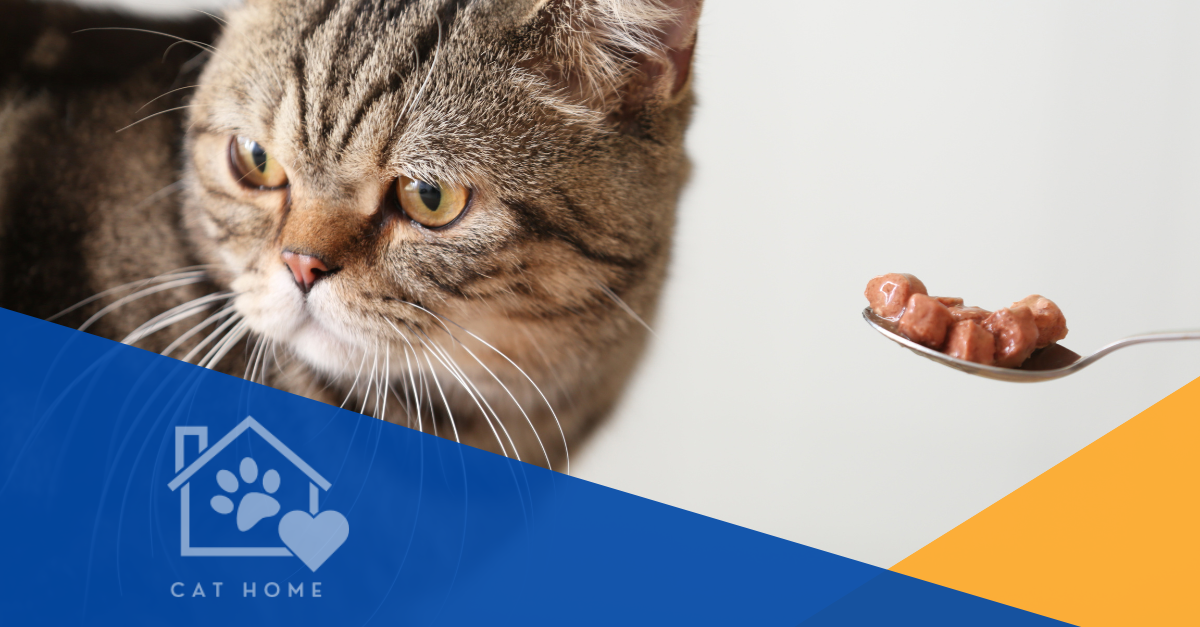
Why Cats Suddenly Refuse Their Favourite Food
By Salwati Samzaman
Tue, Sep 1, 2026
Yesterday, your cat ran into the kitchen the moment they heard the food packet open. Today, they sniff the same meal, stare at you, and walk away. Why Cats Suddenly Refuse Their Favourite Food can feel confusing, especially when nothing seems to have changed. Cats can be particular about food smell, texture, freshness, and even where their bowl is placed.
A change in cat appetite does not always mean your cat suddenly dislikes their usual meal. Cornell explains that noise, busy areas, other animals, dirty bowls, or a litter tray placed too close to the feeding area may discourage cats from eating. Even a small change around the home can sometimes make familiar cat food less appealing.
The Food Might Feel Different
Cats rely heavily on smell when deciding whether food is worth eating. A newly opened batch may smell slightly different, wet food left out for too long may lose its appeal, or a recipe may have changed. Some cats also develop strong food preferences for particular flavours and textures, making them more sensitive when something feels unfamiliar. VCA notes that texture, smell, temperature, and flavour can all influence what a cat wants to eat.
Before replacing everything in the cupboard, check the food carefully. Look at the expiry date, storage method, smell, and texture. Serve wet cat food fresh and wash bowls regularly. Cornell also notes that some cats can become very selective about the foods they accept, while offering appropriate variety may help prevent an exclusive preference for just one food.
Sometimes Eating Hurts
A cat may appear hungry, approach their bowl, and then suddenly step away. This can happen when eating is uncomfortable. Dental pain is one possible reason. VCA explains that cats with dental disease may chew slowly, drop food, drool, show less interest in dry food, or become reluctant to eat.
Watch for other clues such as bad breath, drooling, pawing at the mouth, or difficulty chewing. Do not assume your cat is simply becoming a picky eater if these behaviours appear. Changes in eating can provide an important early clue about cat health, especially when your cat seems interested in food but struggles to actually eat it.
Stress Can Change the Menu Too
Cats enjoy predictable routines. Moving house, introducing another pet, having visitors, changing feeding locations, or even replacing a familiar bowl can make some cats uneasy. Cat stress can affect appetite too. Cornell notes that psychological causes, including changes involving other animals, can contribute to a cat refusing food.
Create a calm feeding routine by offering meals in a quiet location where your cat does not feel watched or threatened. Keep food and water away from the litter tray and give cats in multi-cat homes enough space to eat separately. A quiet feeding area can help reduce distractions and social pressure during mealtimes.
Know When “Picky” Needs a Vet
Why Cats Suddenly Refuse Their Favourite Food becomes more serious when appetite loss continues or appears with vomiting, diarrhoea, tiredness, weight loss, hiding, or unusual behaviour. Medical problems can also reduce cat appetite, which is why VCA recommends ruling out an underlying health problem before simply deciding that a cat is a picky eater.
Cats should not go for long periods without eating. Cornell warns that sustained loss of appetite can become medically serious and recommends veterinary attention for cats that stop eating. Why Cats Suddenly Refuse Their Favourite Food is less about finding a more exciting flavour and more about noticing what your cat is telling you. Sometimes the bowl is the problem, but sometimes the change is your first sign that they need help.